Taking time from your busy week to plan your next shopping trip is important. Making a list, checking your budget and even involving your family in your planning are things you must have already heard many times.
What you may not know is that you can also plan when buying produce. In North Carolina, fruits and vegetables vary throughout the year by growing conditions and weather. Fruits and vegetables that are in season are often cheaper.When you buy them at the farmers market, they are more likely to stay fresh longer than what you buy at the grocery store.
Today we will share insights not only about which produce is currently in season in North Carolina, but also how to properly store them.Apples
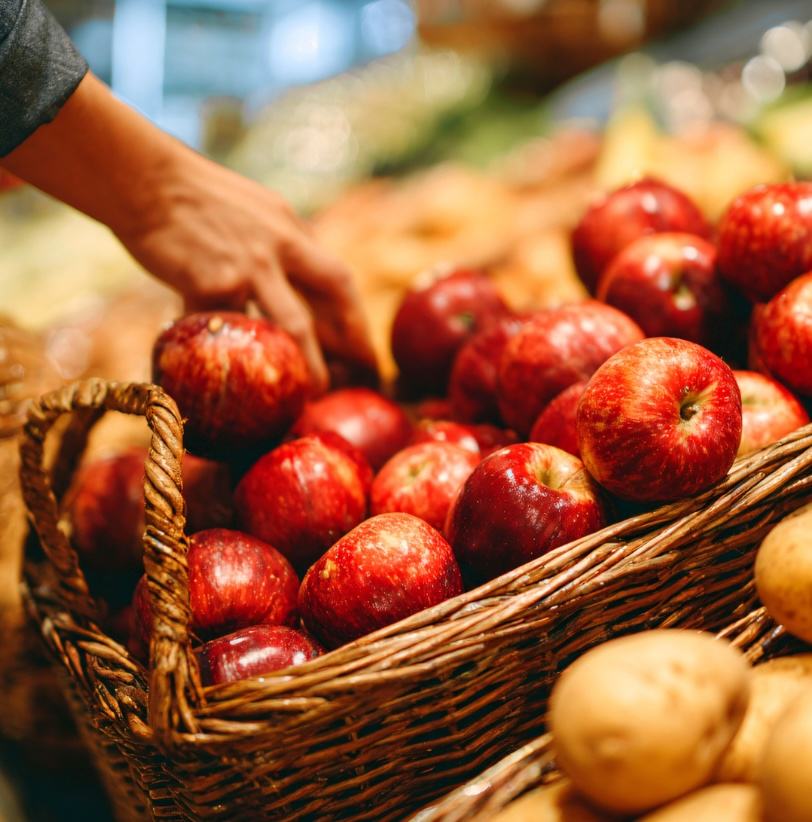
Apples are in season from August to February in North Carolina. They are a good source of fiber and can be enjoyed for snacks, diced in a salad or baked with cinnamon.When buying fresh apples, select firm, crisp and well-colored apples. When you bring them home, keep apples in a plastic bag in the refrigerator away from foods with strong odors.
Before consuming them, you should wash them with warm water. Dip cut apples in one part lemon juice and three parts water to prevent the apples from turning brown.Cabbage
Cabbage is in season from May to December. It is a good source of fiber, vitamin C and potassium. It is also an amazing addition to soups and stews.When buying fresh cabbage, choose firm, heavy cabbages that are free of yellowing leaves, splits or soft spots. The leaves should be compact and smooth for green and red cabbage, but savoy cabbage leaves should be crinkly and less compact.
When storing them, keep them in the refrigerator and consume them within two weeks. Wash them well and remove wilted leaves before adding them to a dish.Carrots
Carrots are available all year round in North Carolina. They provide a good source of vitamin A and C. Farmers markets often offer a variety of carrots, you may find carrots that are white, purple, deep red or orange, and with their tops still attached.When buying them fresh, look for firm and bright-colored carrots, avoiding any that are rough, cracked, soft or wilted.
Once you bring them home, remove the greens and compost them. Store the carrots in a perforated bag for up to two weeks in the refrigerator. Farmers markets carrots tend to get soft quicker than grocery store varieties, so use those sooner rather than later. Don’t forget that soft carrots can be used for soups or baked goods.
Carrots are great eaten raw or on salads, but make sure to wash them before eating.Sweetpotatoes
Did you know that North Carolina is the number one producer of sweetpotatoes in the U.S.? You can find sweetpotatoes in season all year round as well. They are a great source of vitamin A, vitamin C, potassium and fiber. You can add sweetpotatoes to soups, stews or casseroles.When choosing sweetpotato at the store or the farmers market, select potatoes with smooth, evenly colored skin. Then, store them in a cool, dark place at home. Never store sweetpotatoes in the refrigerator. You should use them within three to five weeks.
If you choose to boil your sweetpotatoes , wait until they are done to peel their skin as the process will be made easier after boiling them.Winter Squash
Winter squash is in season in North Carolina from September to January. They provide an excellent source of vitamin A and vitamin C.When shopping for winter squash, look for the ones that are heavy for their size with hard, good-colored, unblemished rinds. This produce is available in different varieties, such as spaghetti, acorn, Hubbard, turban, kabocha, butternut sugar pumpkins and more.
At home, store them in a cool, dark place for up to a month. Once cut, refrigerate unused portions. Winter squash have tough skins and contain seeds. Many need to be peeled or have the inside pulp scooped before baking. You can always prepare them similar to how you would prepare a pumpkin, and you can replace pumpkin in many dishes for this type of squash as well.