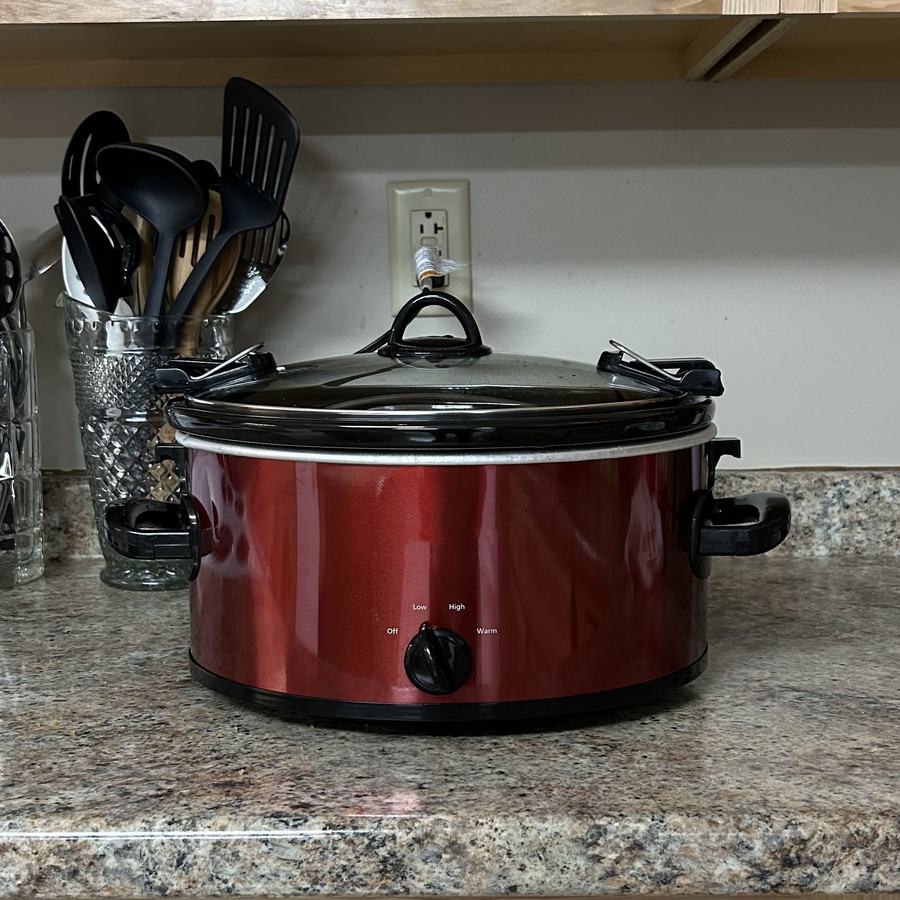
Winter is a great time to use your slow cooker. There are lots of models out there from multi-cookers to the simple ones. There’s nothing like coming home at the end of the day and having dinner ready to serve. Whether it is soup, stew, or other favorites, you want to make sure that what you cook is safe as well as tasty. Let’s find out what is important to know so that this winter you don’t end up with a foodborne illness you weren’t expecting.
How do slow cookers work?
Slow cookers cook foods at low temperatures over a period of time. They need to be between 170°F and 280°F. They are a safer way to cook than using long time in a conventional oven, due to using direct, intense heat with steam inside the tightly covered pot that will kill any bacteria. To check if your slow cooker is heating to these needed temperatures, follow these steps.- Fill cooker with 2 quarts of water
- Heat on low for eight hours or desired cooking time with lid on tightly
- Check the water temperature with an accurate thermometer (do quickly because water temperature will drop rapidly when lid removed)
- The temperature of the water should be 185°F. If the temperature is above this, you may end up with an overcooked product. If temperature is below this it may indicate the cooker will not heat the food high enough or fast enough to ensure safety.
- Always thaw any meat or poultry before putting it in the slow cooker. If still frozen the meat or poultry may end up in a dangerous temperature zone where foodborne illness could result.
- Make items that have high moisture such as soups, stews, chili or sauces since the steam created during the slow cooking are important to ensure that bacteria are killed.
- Prepare food in chunks or small pieces to ensure thorough cooking. If preparing larger pieces of meat, it is important to cook on high first to get the whole piece to a safe end point cooking temperature.
- Make sure to use the right amount of food. The cooker needs to be at least half full but not more than two-thirds full.
- Vegetables will cook slower than meat and poultry, so put those on the bottom and add meat or poultry on top. Cover the food with liquids such as broth, water or sauce.
- Keep the lid on tight only to remove for stirring or checking for doneness.
Which temperature setting do I use?
Most slow cookers will have two or more settings. Certain foods will cook faster on high than on low, but for all-day cooking or for less-tender cuts of meat, use the low setting, for a long, low temperature cooking process.
For the safest method, try to use the highest setting for the first hour of cooking time and then set it to low or the setting the recipe calls for to finish the cooking. If you don’t have time for this, it is safe to cook food on low the entire time but make sure you check for end point temperature when finished. Always use an accurate food thermometer to check temperperatures.- Beef, Pork 145°F
- Ground Meat 160°F
- Poultry 165°F
- Soups, Stews, Sauces 165°F
A few last-minute safety concerns.
- If only using the slow cooker to keep food warm, reheat or cook to 165°F before placing in a pre-heated cooker.
- If the power goes out while cooking, you need to throw out the food if you have not been home. If home you can finish cooking the ingredients by another means, if possible on an outside grill or at another house with power. If the food was completely cooked before the power went out, you have a two hour window before you need to refrigerate or keep warm by other means.
- Remember to store leftover foods in shallow covered containers to quickly get them cooled.
- If you want to use the slow cooker with leftover food, you need to get that food to 165°F on the stove top and then transfer to slow cooker. It is not a safe way to heat leftovers but is a way to keep them warm until serving later.
Adapted from Clemson University: Slow Cooker Food Safety