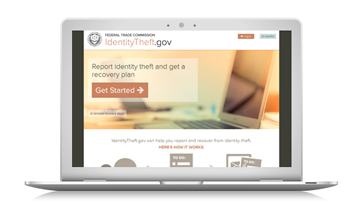
Identity Theft Awareness Week is January 31 through February 4 with special webinars all week. If you aren’t able to get to the webinars, check out some of the resources at the Identity Theft Information page on the Federal Trade Commission Consumer Information Site. Here is some information and links to resources to better understand and protect against Identity Theft.
Identity theft is when someone uses your personal or financial information without your permission.
They might steal your name and address, credit card, or bank account numbers, Social Security number, or medical insurance account numbers. And they could use them to- buy things with your credit cards
- get new credit cards in your name
- open a phone, electricity, or gas account in your name
- steal your tax refund
- use your health insurance to get medical care
- pretend to be you if they are arrested
- Protect documents that have personal information
- Keep your financial records, Social Security and Medicare cards, and any other documents that have personal information in a safe place. When you decide to get rid of those documents, shred them before you throw them away. If you don’t have a shredder, look for a local shred day, or use a marker to block out account numbers.
- If you get statements with personal information in the mail, take your mail out of the mailbox as soon as you can.
- Ask questions before giving out your Social Security number
- Some organizations need your Social Security number to identify you. Those organizations include the IRS, your bank, and your employer. Organizations like these that do need your Social Security number won’t call, email, or text you to ask for it.
- Other organizations that might ask you for your Social Security number might not really need it. Those organizations include a medical provider, a company, or your child’s school. Ask these questions before you give them your Social Security number:
- Why do you need it?
- How will you protect it?
- Can you use a different identifier?
- Can you use just the last four digits of my Social Security number?
- Protect your information from scammers online and on your phone
- If you’re logging in to an online account, use a strong password.
- Add multi-factor authentication for accounts that offer it. Multi-factor authentication offers extra security by requiring two or more credentials to log in to your account. The additional credentials you need to log in to your account fall into two categories: something you have — like a passcode you get via text message or an authentication app, or something you are — like a scan of your fingerprint, your retina, or your face. Multi-factor authentication makes it harder for scammers to log in to your accounts if they do get your username and password.
- Do not give your personal information to someone who calls, emails, or texts you. It could be a scammer trying to steal your information.