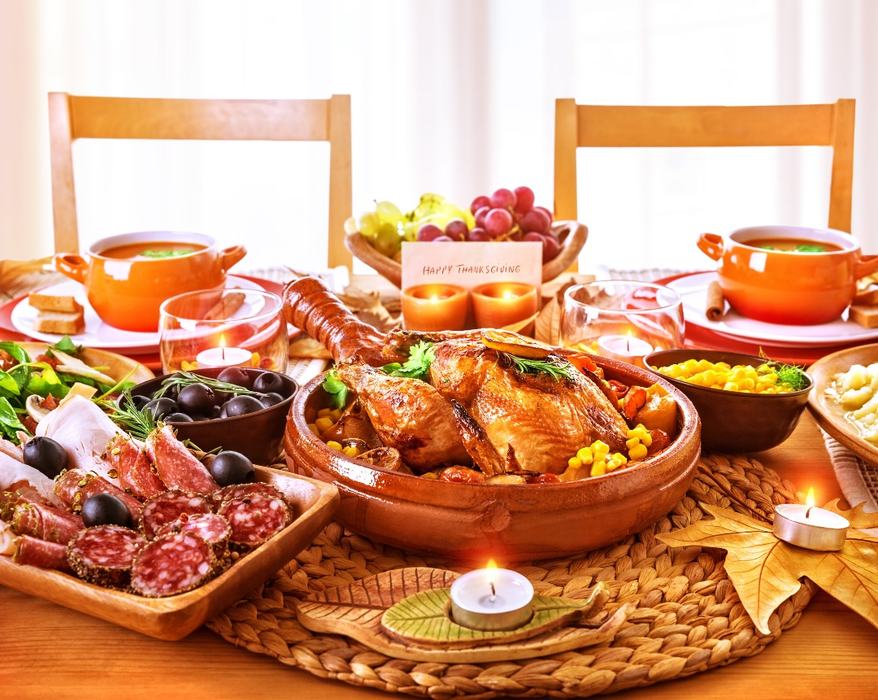
With the holidays just around the corner, it is important to prepare your kitchen and pantry ahead of time and think of how to use your SNAP/FNS (formerly known as Food Stamps) benefits to stock your fridge and shelves before the big day. Besides thinking of what you want to have on the big day, you want to include precautions so you avoid some of the risky habits that may come from cooking or baking during a busy week or a busy day like Thanksgiving.
According to the U.S. Department of Agriculture (USDA), there are some common mistakes many Americans make during the holiday season that you must avoid to ensure your family’s and your safety. Here are some ways to avoid the most common.
- Wash your hands or kitchen surfaces before, during and after food prep.
To maintain your counters and surfaces clean, sanitize anything that has touched raw meats (such as turkey) and its juices. Soap and water help to physically remove germs, but other homemade solutions can work such as adding one tablespoon of liquid chlorine bleach per gallon of water or using a commercial sanitizer or sanitizing wipe.
- Make sure to use new or different cutting boards and utensils for raw and ready-to-eat foods.
- Do not defrost any type of meat on the kitchen counter.
Refrigerator thawing: Allow roughly 24 hours for every four to five pounds of turkey. After thawing, a turkey is safe in a refrigerator for one to two days.
Cold water thawing: Allow 30 minutes per pound and submerge the turkey in its original wrapping to avoid cross-contamination. Change the water every half hour until the turkey is thawed. Cook it immediately after thawing.
- Make sure to cook your Turkey at temperatures at or higher than 325°F.
- Only rely on food thermometers to determine if Turkey is done cooking.
- Take care when stuffing your turkey or other meats.
- Mixing dry and the wet ingredients produce an environment that bacteria can thrive in hours before being placed in the oven, so prepare the ingredients for the stuffing separately from each other and refrigerate until ready to use. Mix wet and dry ingredients just before filling the cavity of the turkey.
- Stuff the turkey loosely — about 3/4 cup of stuffing per pound.
- Never stuff a whole turkey and store in the refrigerator before cooking. Immediately place the stuffed, raw turkey in an oven set no lower than 325 F.
- A stuffed turkey will take 50% longer to cook. Once it has finished cooking, place a food thermometer in the center of the stuffing to ensure it has reached a safe internal temperature of 165°F.
- Store leftovers in ways to reduce risks.
For more food safety information, call the USDA Meat and Poultry Hotline at 1-888-MPHotline (1-888-674-6854).
Information accessed at: USDA Keep Risky Habits Out of Kitchen
Based on More In My Basket November 2024 article