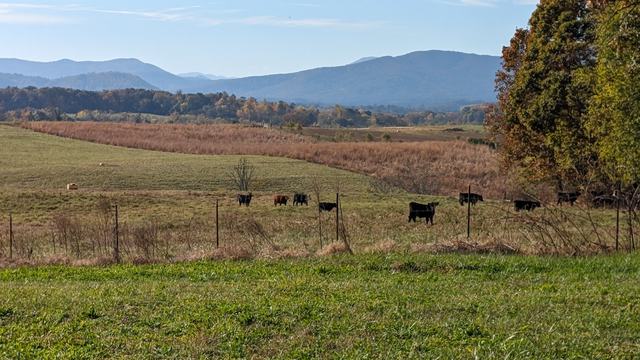
As August winds down, many farmers and producers are entering an important transition period. Hot temperatures, variable rainfall, declining pasture quality, and the approach of fall all require additional attention. Taking time now to evaluate pastures, livestock, and farm resources can help prevent problems and set the farm up for a productive fall and winter.
Consider Planting Fall Forages
Late August through September is an important window for establishing cool-season forages in Western North Carolina. With adequate soil moisture and proper preparation, producers can establish annual forages that provide high-quality grazing for cattle, sheep, and goats during the fall, winter, and early spring.
Some options to consider include:
- Annual ryegrass: A popular choice for fall and winter grazing because it establishes relatively quickly and can provide good-quality forage when properly managed.
- Cereal rye: Establishes quickly and provides good winter grazing, particularly when planted early enough to develop before cold weather.
- Oats: Can provide excellent fall and early winter forage and are often used as part of a winter annual forage mixture.
- Wheat: Can be used for grazing and may provide good winter forage when properly established.
- Triticale: A cross between wheat and rye that can provide a combination of good forage quality and winter hardiness.
- Crimson clover: A winter annual legume that can provide high-quality forage while also fixing nitrogen. It can be particularly useful when included in a forage mixture.
- Winter peas: Can provide high-quality forage and work well as part of a mixed winter annual planting.
For cattle, producers may choose a single species or a mixture of grasses and legumes. For sheep and goats, mixtures that include legumes can provide high-quality forage, but producers should monitor grazing carefully and avoid sudden changes in diet. Good pasture management is especially important with small ruminants because they can be more susceptible to certain forage-related issues.
Before planting, soil test the field to determine lime and nutrient needs. Correcting soil pH and fertility before planting can significantly improve establishment and forage production. Producers should also select varieties appropriate for Western North Carolina and follow recommended seeding rates and planting dates.
Remember that planting dates can vary depending on elevation, weather, soil conditions, and the specific forage being planted. Waiting too late can reduce establishment and winter production, while planting too early during hot, dry conditions can make establishment difficult.
Keep an Eye on Pastures
Pastures can become stressed during late summer, especially after extended periods of hot, dry weather. Avoid overgrazing and give livestock access to adequate forage and clean water. Rotational grazing can help protect remaining forage and allow plants time to recover.
Producers should walk their pastures regularly and look for changes in forage availability, bare soil, weeds, and signs of overgrazing. If forage is becoming limited, consider reducing stocking pressure or providing supplemental hay before pastures are completely depleted.
This is also a good time to identify troublesome weeds. Walking fields now can help producers recognize weeds before they produce large amounts of seed and become an even bigger problem next year.
Monitor Cattle During Hot Weather
Even as we approach fall, hot and humid conditions can continue to create heat stress in cattle. Make sure livestock have reliable access to clean, fresh water and shade. Water tanks should be checked frequently to ensure they are clean, full, and functioning properly.
Avoid unnecessary handling, hauling, or working cattle during the hottest part of the day. When cattle must be worked, early morning is generally a better option.
Watch for Parasites
Late summer is also an important time to monitor cattle, sheep, and goats for internal and external parasites. Rather than treating animals on a calendar schedule, producers should work with their veterinarian or Extension agent to develop a parasite management program based on the livestock species, farm conditions, and signs of parasite pressure.
For small ruminants, producers should pay particular attention to animals that are losing body condition, showing signs of anemia, or experiencing poor performance.
Start Planning for Fall and Winter
Fall is an excellent time for many management activities. Producers should begin thinking about winter forage needs, hay supplies, pasture establishment, and soil fertility.
If you are planning to establish or renovate pastures, soil testing should be one of the first steps. A soil test can provide valuable information about soil pH and nutrient levels and can help determine lime and fertilizer needs. Taking a soil sample before making fertilizer or lime applications can prevent unnecessary expenses and improve nutrient management.
Producers should also evaluate their hay inventory now rather than waiting until winter. Knowing how much hay is available can help determine whether additional hay needs to be purchased or produced.
Don't Forget Farm Records
Late summer is also a good time to review farm records. Keep track of livestock numbers, hay inventories, pasture use, fertilizer and lime applications, and other farm expenses. Good records can help producers make better management decisions and may also be important when applying for agricultural programs or assistance.
Looking Ahead
Overall, a few minutes spent evaluating your farm now can help identify problems before they become costly. As we transition from summer into fall, use this time to assess your pastures, check your livestock, plan for winter forage, and prepare your operation for the months ahead. If you have any questions please feel free to reach out to our office at (828) 652-8104.